
On a Friday evening in January, I deleted Slack from my phone. Not muted. Not moved to a folder. Deleted. The little purple icon vanished, and with it, the reflex I had developed of glancing at it 30 to 40 times a day — including weekends, evenings, and once, memorably, at 1 AM while half-asleep.
I told nobody. I did not announce it, did not change my status, did not set up an auto-responder. I wanted to test a hypothesis: was anyone actually reaching me through mobile Slack with something that could not wait until I opened my laptop?
Two weeks later, nobody had noticed. Nobody had said “I tried reaching you on Slack and you did not respond.” Nobody had escalated anything because I was unreachable on my phone. The entire infrastructure of urgency I had constructed in my head — the belief that I needed to be instantly available via Slack at all hours — was a fabrication.
The Checking Habit I Did Not Know I Had
Before deleting Slack from my phone, I tried tracking how often I opened it during non-work hours. In a typical week:
| Time Period | Average Slack Opens Per Week | Actionable Messages Found |
| Weekday evenings (6 PM-10 PM) | 15-20 opens | 1-2 that could have waited until morning |
| Weekday nights (10 PM-midnight) | 5-8 opens | 0 — I was just checking reflexively |
| Saturday | 8-12 opens | 0 |
| Sunday | 10-15 opens | 1 (a scheduling question that was not urgent) |
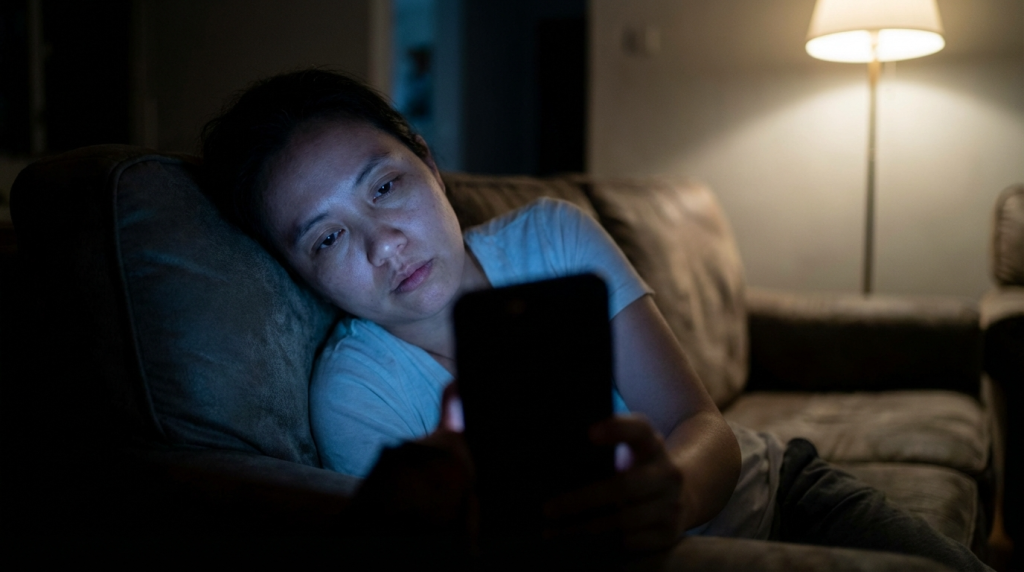
So in a typical week, I was opening Slack on my phone roughly 40 to 55 times outside of work hours. The total number of messages that actually required my immediate attention? Between one and three. Everything else was monitoring — watching messages scroll by, reading conversations I was not part of, checking channels that had no activity.
I was paying an enormous attention cost for almost zero informational return.
What the First Week Without Mobile Slack Felt Like

The first two days were uncomfortable. Not because I missed anything important — but because the reflex was still there. I would pick up my phone, thumb toward the spot where Slack used to be, find nothing, and put the phone back down. This happened eight to ten times on the first day.
By day three, the reflex weakened. By day five, I stopped reaching for it. And something unexpected happened: I started noticing how much quieter my evenings felt. Not literally quieter — Slack does not make noise if you have notifications off. But mentally quieter. The ambient hum of “I should check” was gone, and the silence was startling.
I read more in that first week than I had in the previous month. Not because I suddenly had hours of free time, but because the mental space previously occupied by check-this-check-that was now available for sustained attention on something else.
The Fear vs. the Reality
The fear of deleting Slack from my phone was built on two assumptions:
- “What if there is an emergency and I miss it?” — In two weeks, there was no emergency. And if there had been, my phone number exists. People can call.
- “What if people think I am not committed?” — Nobody mentioned my absence from mobile Slack. My responsiveness during the day — on my laptop — remained exactly the same.
The Urgency Illusion
I think most of us dramatically overestimate how many work communications are truly urgent. We treat every ping as potentially critical because the cost of missing something real feels enormous, while the cost of checking compulsively feels small. But the cumulative cost of constant checking — fragmented attention, eroded personal time, simmering stress — is much higher than the near-zero cost of a slightly delayed response to a non-urgent message.
How I Handle It Now
Eleven months after deleting Slack from my phone, here is my setup:
- Slack lives only on my laptop. I use it during work hours (9 AM to 6 PM) and not outside them.
- My phone has zero work communication apps — no email, no Slack, no Teams.
- If someone needs to reach me urgently outside work hours, they have my phone number. This has happened three times in eleven months.
- I told my team about this setup in a matter-of-fact way. Nobody objected. A few people said they wished they could do the same.
Should You Do This?
Let me be clear: I am not arguing that everyone should delete Slack from their phone. If your role genuinely requires after-hours availability — on-call engineering, customer support rotations, live operations — keeping work chat on your phone is necessary.
But ask yourself honestly: does your role require 24/7 Slack availability, or have you just defaulted into it? Is the after-hours checking driven by genuine need, or by habit and anxiety?
If you are not sure, try this experiment: delete Slack from your phone for one week. Do not announce it. See what happens. If something genuinely urgent arises and nobody can reach you, reinstall it. But I am willing to bet — based on my experience and the dozens of people I have talked to who have tried this — that the urgency will not come.
The Larger Point About Work and Personal Devices
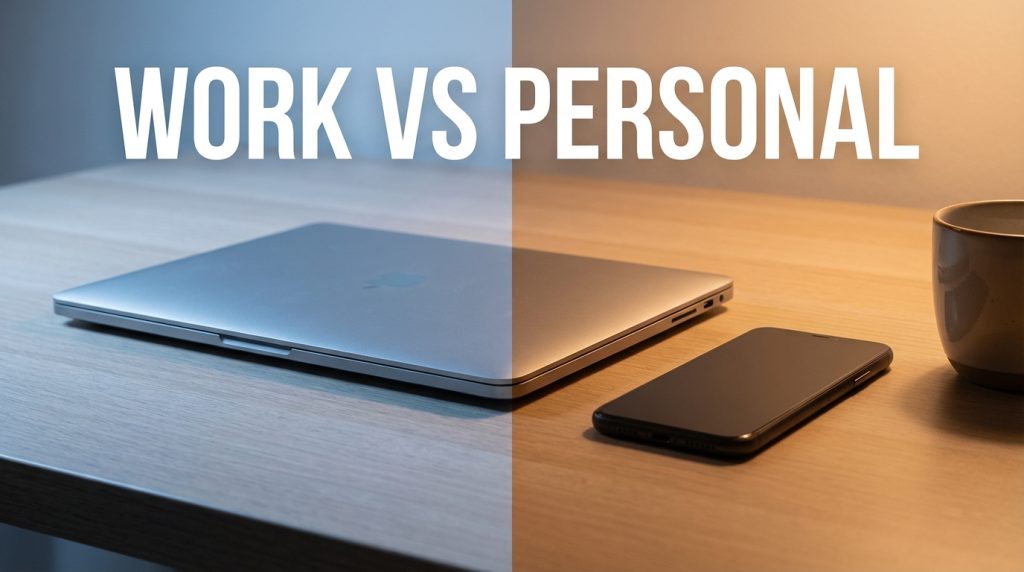
Your phone is a personal device. It goes everywhere with you — dinners, walks, bedtime, vacations. When you put work apps on it, you invite work into all of those spaces, not just the ones where work belongs.
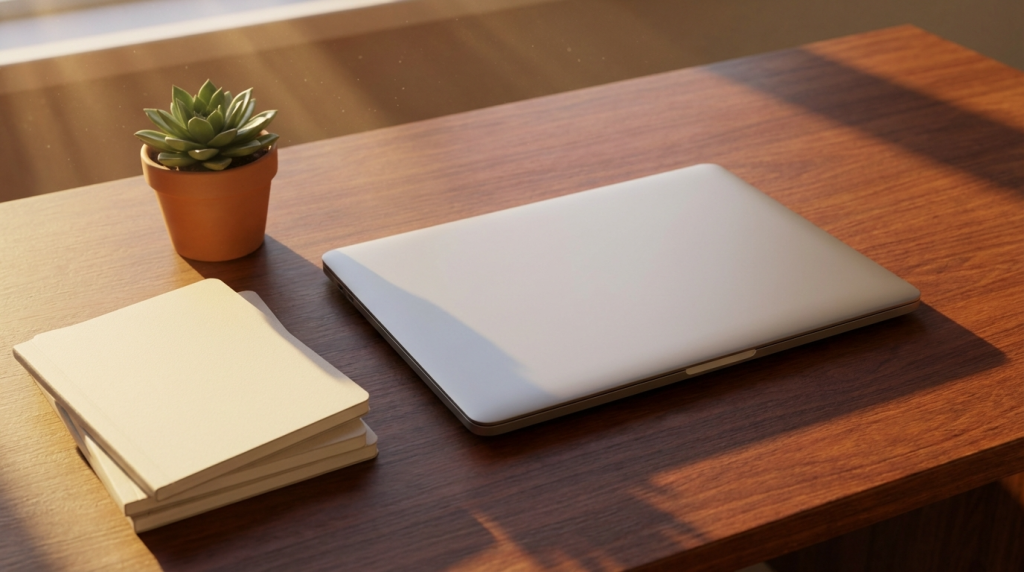
Your laptop is your work device. It has work hours. It has a lid that closes. It stays in one place. Work belongs there.
Drawing this line — phone is personal, laptop is work — was the single clearest boundary I have set in five years of remote work. It costs nothing, requires no permission from your manager, and the effect on your evening stress levels is almost immediate. Try it for a week. See what happens.